
Every seller asks some version of the same question before listing: "What do I actually need to fix?" The honest answer is almost always shorter than people expect. Buyers respond most to first impressions and inspection-report peace of mind, not a wholesale renovation. Here are the three areas worth your attention, and the ones that usually aren't.
1. Paint and touch-ups, not a full repaint
A fresh coat in a neutral tone on visibly worn walls, scuffed trim, or a dated accent wall does more for buyer perception per dollar than almost anything else. You don't need to repaint a house that already shows well. Focus on the rooms buyers linger in: the entry, the kitchen, and the primary bedroom.
2. Small, visible repairs (the ones an inspector will flag anyway)
A dripping faucet, a cracked outlet cover, a door that doesn't latch, a loose stair rail. None of these are expensive, but every one of them shows up on a buyer's inspection report and gives them a reason to negotiate, or worse, to wonder what else hasn't been maintained. Fixing them ahead of time keeps the conversation focused on price, not punch lists.
3. Decluttering and depersonalizing, not staging from scratch
Buyers need to be able to picture their own life in your home, which is harder to do around a full bookshelf, a wall of family photos, or a garage that's become storage. This is almost always the highest-return, lowest-cost project on the list, and it's the one sellers are most tempted to skip because it feels emotional rather than practical.
What I don't typically recommend
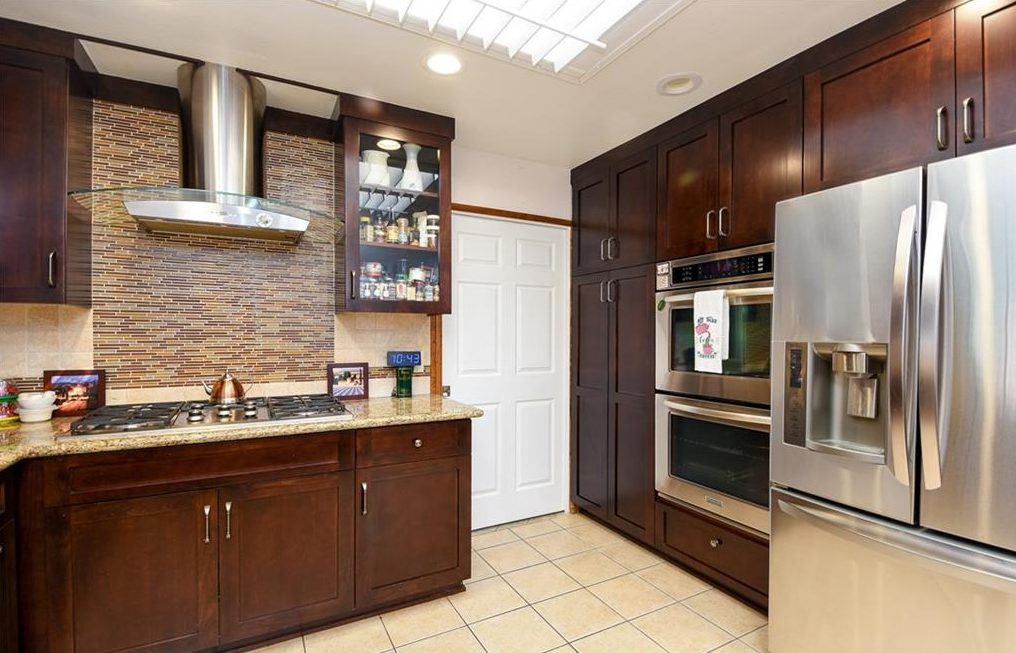
Full kitchen or bathroom remodels, new flooring throughout the house, or major landscaping overhauls rarely return their full cost at resale before a sale, and more importantly, they reflect your taste, not necessarily the buyer's. A buyer who wants a fully remodeled kitchen is often willing to pay for the home and remodel it themselves. What they're not willing to do is overlook a home that feels neglected.
The right answer for your home specifically depends on its condition, its price point, and what buyers are comparing it against right now in your neighborhood. That's exactly what I walk through with sellers before we talk about a listing date: a clear-eyed read on what will move your number, and what's better left alone.